The Pastors Log
Devotional thoughts from Pastor Brad for encouragement to those who walk with Jesus

Abide in Christ
We are all looking for clear direction and guidance concerning the metaphors and symbolic language of Scripture. I think that this is the amazing gift of what the Lord has revealed to us in using such word pictures and metaphors rather than merely giving instructions. For most of my life, if asked what it means to abide in Christ, I would eventually end up answering, "I know when I am doing it." Because it is an action that a believer may be doing or not doing at any given time. That is the first thing that we have to prove.
Beethoven's Nineth and Romans Eight
Beethoven's 9th Symphony is a triumph. It takes the listener to such amazing heights and depths. It is a pure musical journey that tells a story. Not a story of characters and events, but a story of sounds. It is a masterpiece in every sense of the word. And the final movement is one of the finest musical climaxes in all of human history.
Ezra: A Quiet Hero of the FaithJune 16, 2026
Ezra. He has a book in the Bible that bears his name. He is an interesting personality to me because he is so pure, so earnest, so careful. The sins of his nation bring him to tears. The failures of his people to worship God and respond to His faithfulness are deeply distressing to him. He inspires change in others, not by shouting and shaming, but by pointing to the Lord who loves them. It is really something that we want to look at. How a person can humbly and quietly make such an impact upon his nation is magnificent. But there is even more to his story than is immediately clear.
John's Personal Masterpiece
The Gospel of John is special in so many ways. It is the most personal. The disciple Jesus loved (the Apostle John) recorded his divinely inspired memories about the special moments when he walked and talked with the Creator, the Savior, his Friend. It is a special gift to get to think of the ministry of Jesus through his viewpoint.
Jesus Blood Never Failed Me
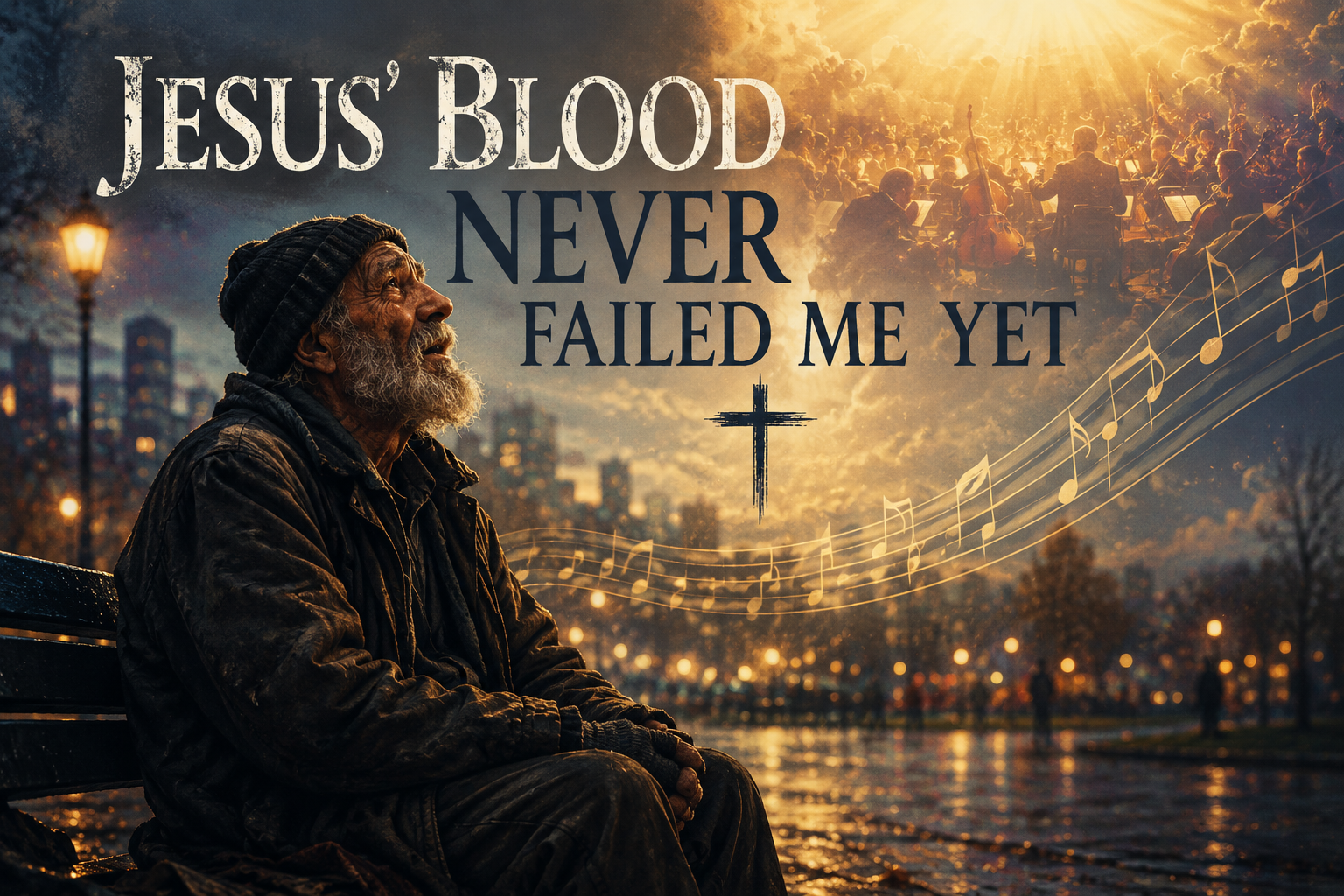
In 1993, a surprise album burst onto the classical music scene. The Gavin Bryars Ensemble released an album called Jesus' Blood Never Failed Me Yet. I was 13 years old when I encountered this gem. I was part of the Columbia Classical Record Club. These were programs that would send you 10 CDs for a penny, and then you were locked into buying a few CDs every month for the next year. It was a great deal when it was hard to get exposure to high-quality recordings of classical music. As I was picking the first 10 CDs, this title jumped out at me.
Get Used to Disappointment
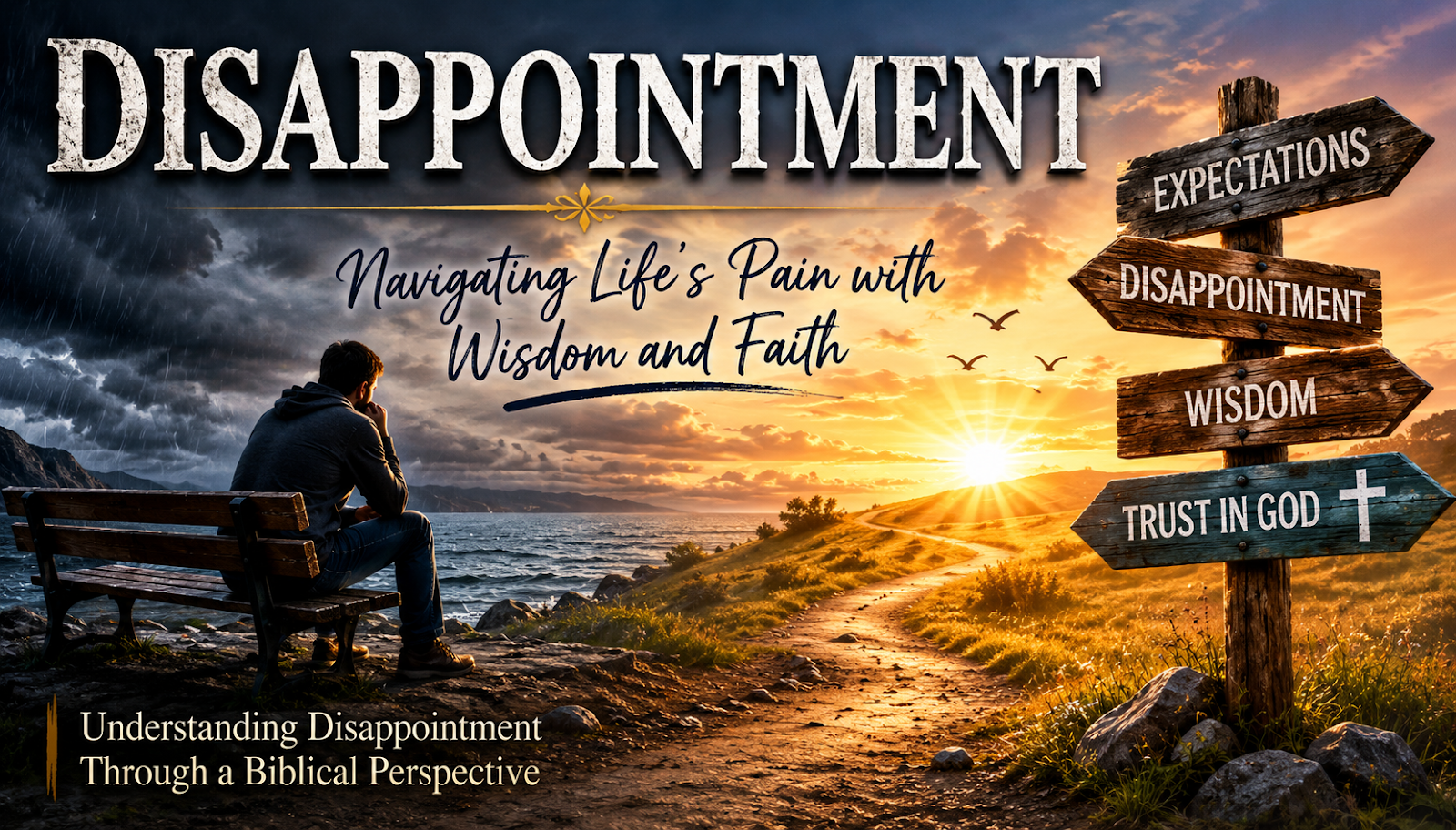
Disappointment can be the source of some of the greatest pain in life. It starts with an expectation. That expectation can be reasonable or absurd. It hardly matters. Something was supposed to turn out differently.
Just Trust Jesus
Just trust Jesus. This phrase is so simple, but it really gets to the heart of what our lives are about. Of course, a simple cliché is only a reminder of something more, and boiling everything down to a simple statement is fraught with peril and guarantees misinterpretation. But I want to tell you why those three simple words mean so much to me.
Spirituality: Active or Passive?
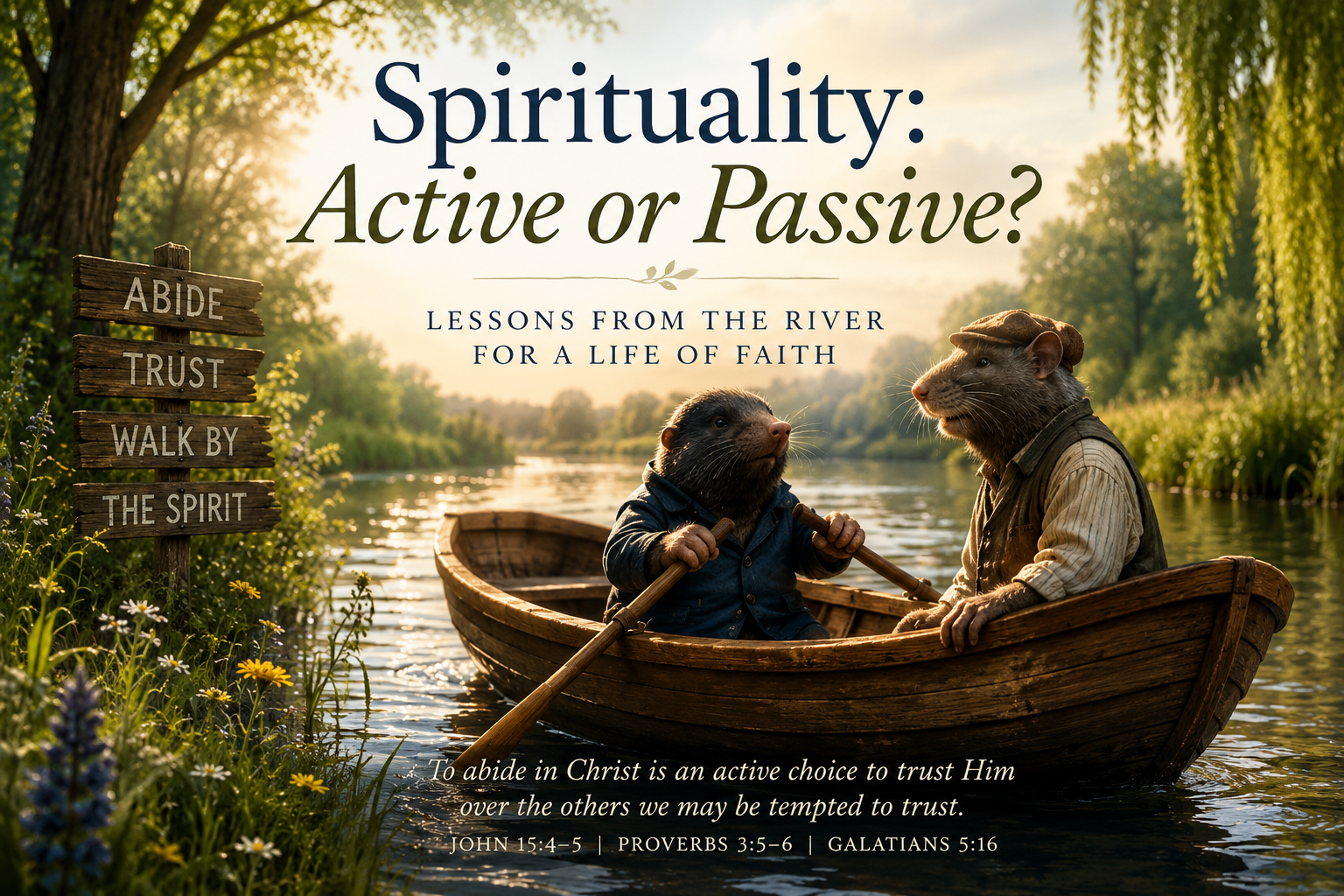
When we first meet the Mole, it is one of the most exciting days of his life. The energy of spring and the beauty of the river call him away from the mundane work of whitewashing his little hole. His life is forever changed as he is introduced to a new world of activities and friendships.
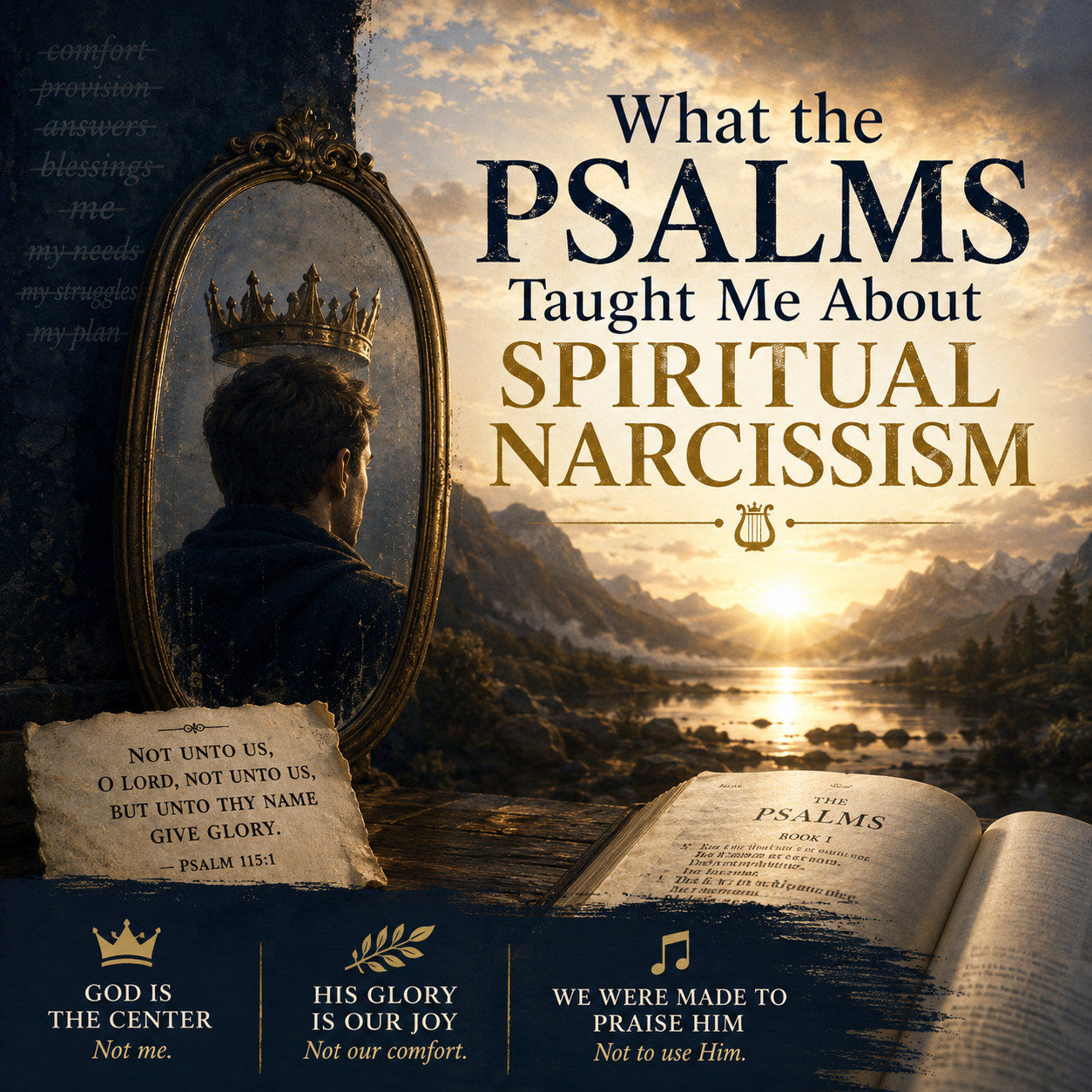
What the Psalms Taught Me About Spiritual Narcissism
Teaching through Psalms over the course of the last months has been a joy. Yet, it reminded me of one of the greatest challenges in Bible study: the challenge is to listen to the Word of God rather than simply using the Psalms as a book of verses to solve a random set of personal psychological challenges.
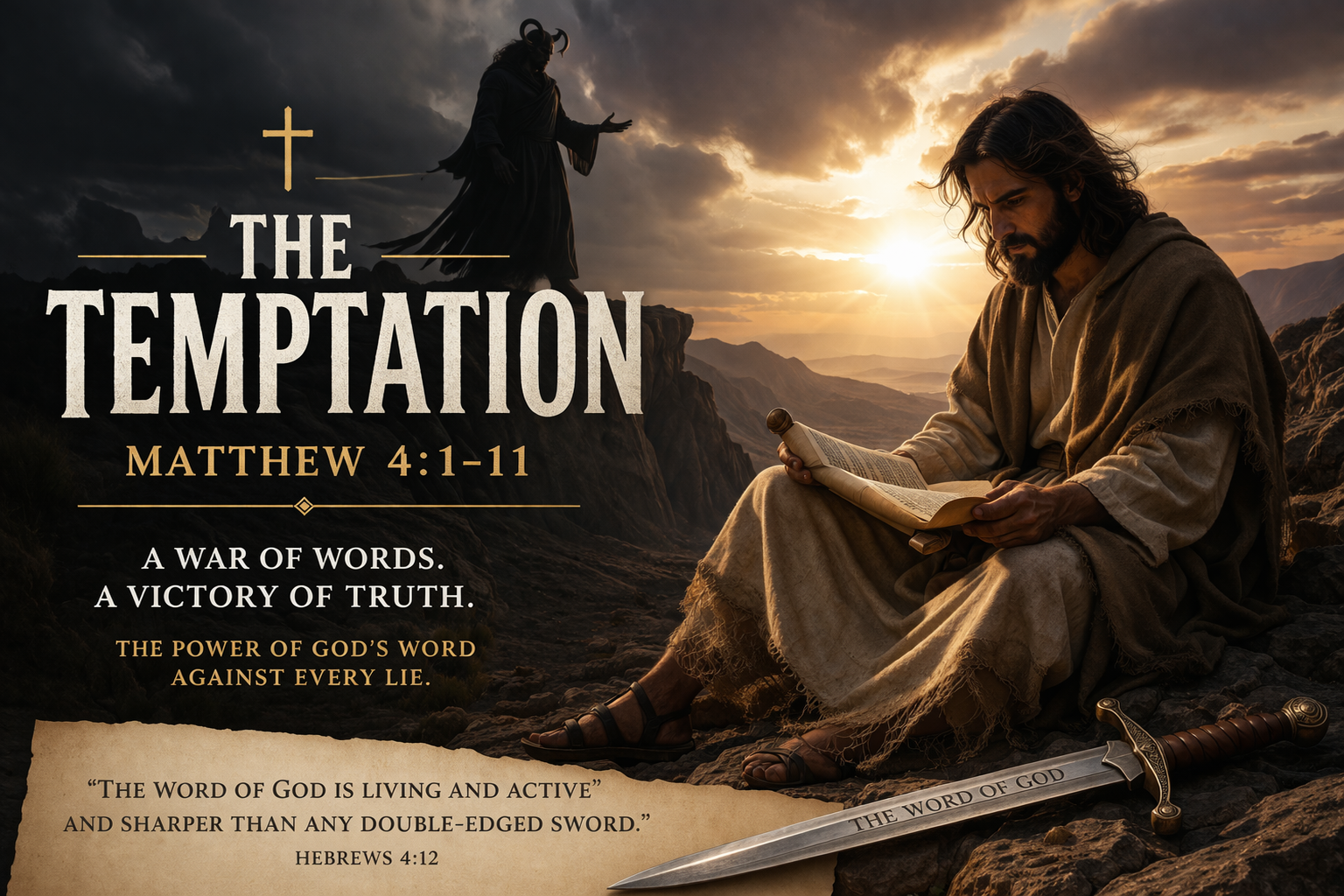
The Temptation - Matthew 4:1–11
The temptation of Jesus Christ is among the most important accounts in Scripture. It displays how Jesus Christ the Messiah was tempted under hard conditions and succeeded where Adam failed (Romans 5:12–19). It displays how our Savior overcame the Enemy without the use of His divine power or authority, but simply by relying upon the word and authority of the Bible (Matthew 4:4, 7, 10). The way every human should. It is also one of the clearest passages illustrating spiritual warfare in the whole Bible (Ephesians 6:10–17). Satan squares off personally with the newly recognized Messiah (Matthew 4:3). He has home field advantage, and his opponent is weekend from hunger and thirst that has been building up and assaulting His senses and his resources for the past forty days (Matthew 4:2). In so many ways, this is Satan's game to lose.

Freedom - The Sweetest Word
Just hearing the word "freedom" elicits an emotional reaction. It is the cry of every student on the first day of summer break. It is in the sigh of a person who retires after a long career of steady and faithful labor. It is the sentiment of everyone who has been freed from oppression, and my eyes still mist over when I sing "Let freedom ring!" in our national anthem. Freedom is beautiful. Freedom from oppression, freedom from slavery (Galatians 5:1).
Pain and Service
“Life is pain. Anyone who says differently is selling something.” – The Princess Bride
This is one of the many lines from The Princess Bride that I have passively committed to memory along with “Inconceivable!” and “Anybody want a peanut?”
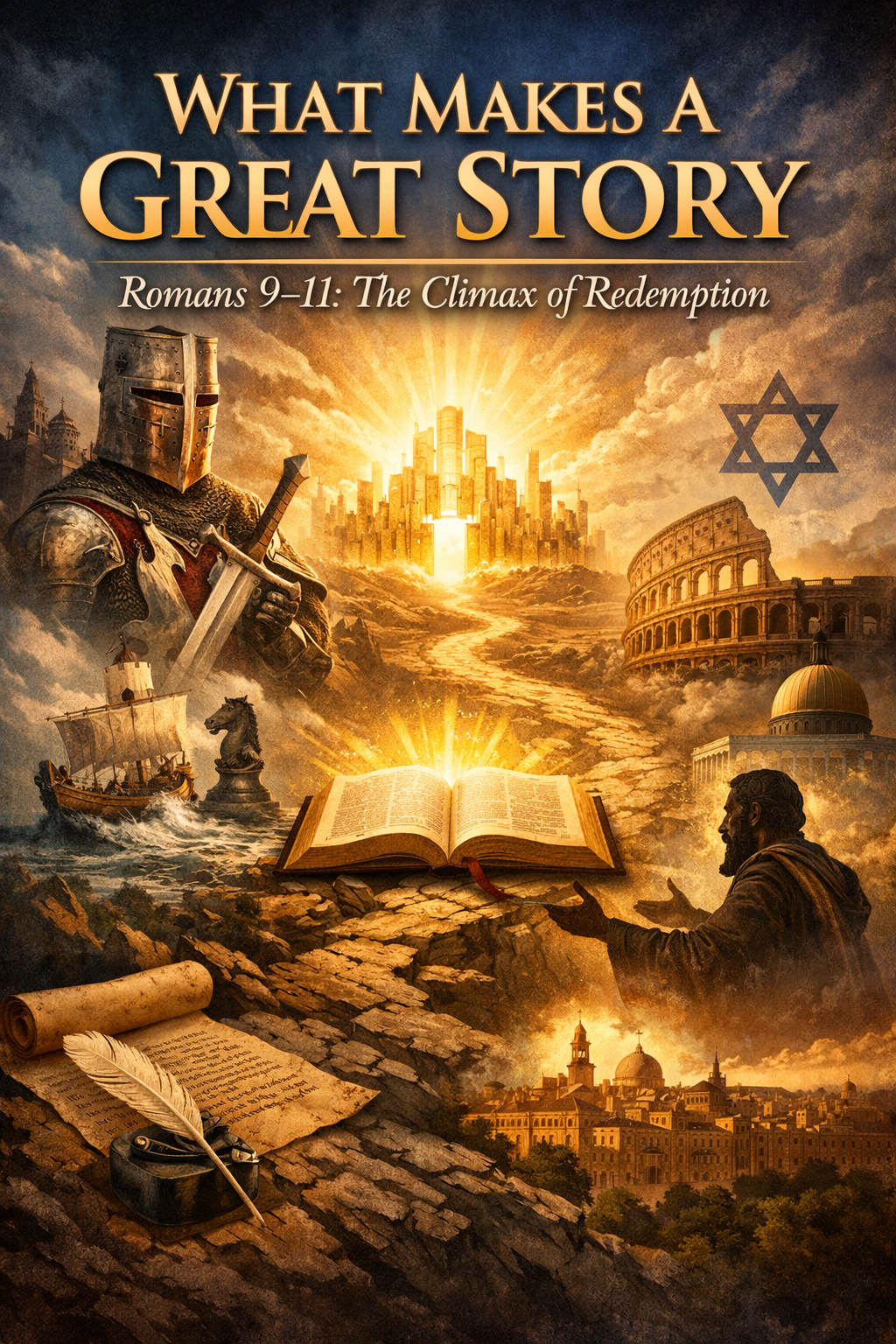
What Makes a Great Story
True stories and fictional stories. This is so much the case that entertainment is among the biggest industries in the modern world, and it is all stories. This is true for every kind of entertainment. A game of chess is a sort of a story played out before your eyes - which kingdom will win the war? The story of a great chess player like Magnus Carlson or Bobby Fischer can capture the imagination of the world.
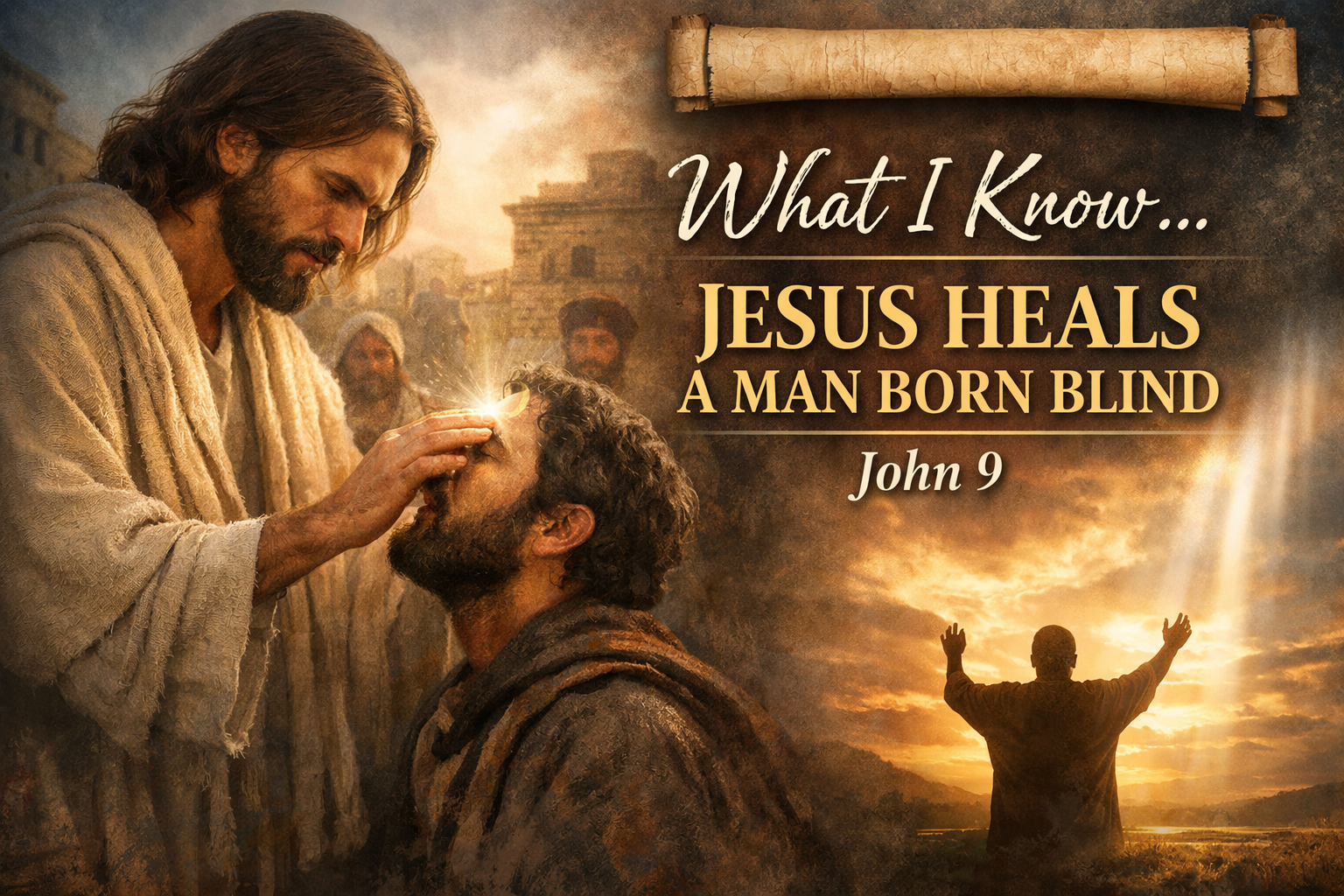
What I know... Jesus Heals a Man Born Blind
The movie Tombstone tells the story of the friendship between Doc Holliday and Wyatt Earp. They stood by each other through thick and thin, took risks, and beat the bad guys together. The movie ends with a scene in a hospital where Doc is dying of consumption and Wyatt visits him (apparently weekly). In this final visit Wyatt brings a gift. A book that he has written entitled: My Friend Doc. Whatever else Doc Holliday was or did, to Wyatt Earp, Doc was his friend. That was more important than anything else.
Crying Out - Psalm 143
Watching my kids grow up is one of the greatest blessings of this life. Seeing those precious little babies grow from infants to toddlers, children, adolescents, and now mature young men and women has been truly amazing. I am so proud of each of them, and getting to know them as adults is the sweetest thing about getting older. (3 John 4)
To Seek and to Save - The Gospel of Luke
The police in the United States have long had the simple motto — “To Serve and Protect.” They are authority figures, they are crime fighters, and they are there for the protection and safety of the city. I have witnessed these courageous men and women doing their job with humility and wisdom in some of the most difficult and painful situations. They are among the people I most admire in the modern world.
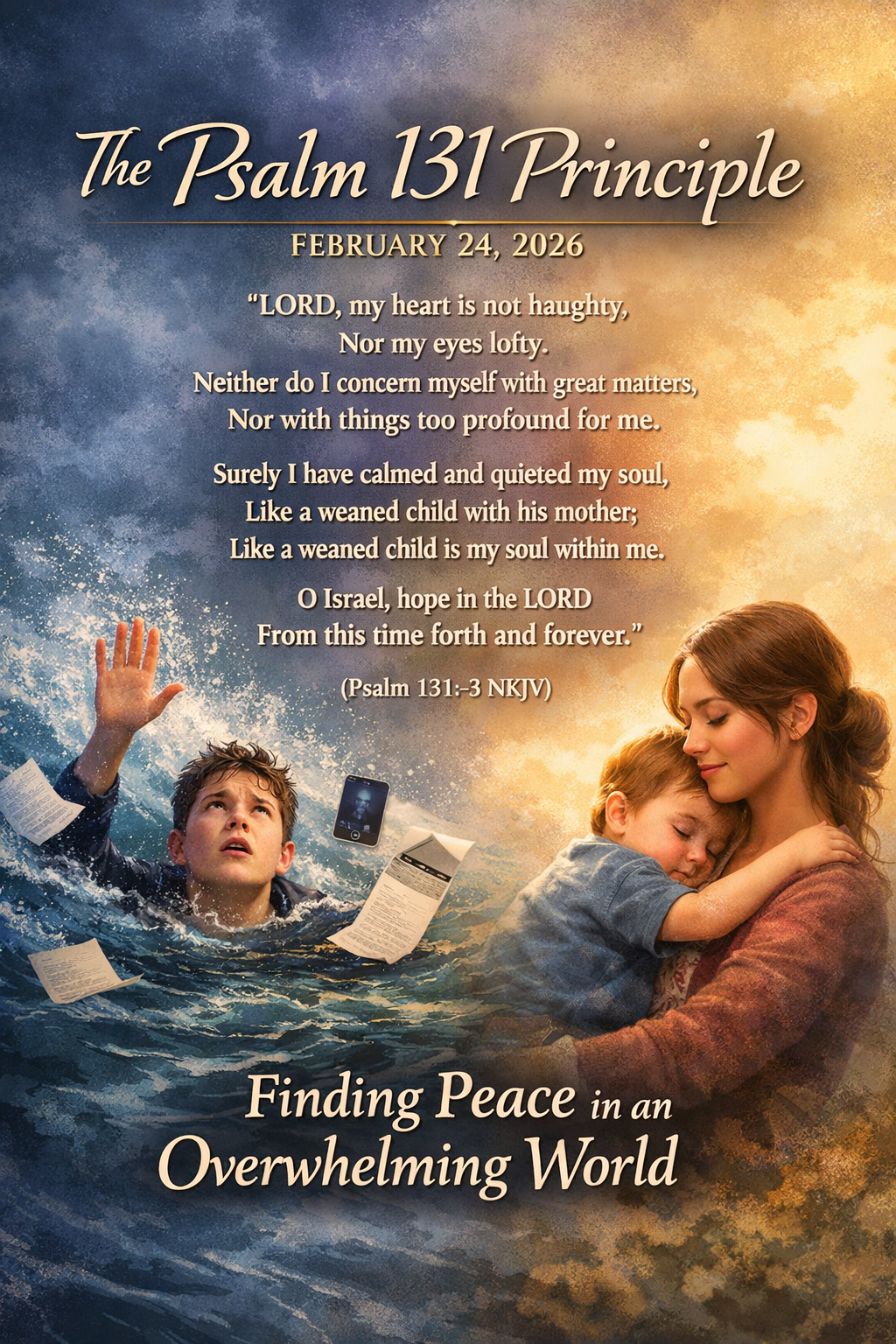
The Psalm 131 Principle
In the novel Great Expectations, a young orphan boy is blessed with an unknown benefactor who helps him financially on his way to becoming a gentleman, a very expensive endeavor. He is totally in the dark about the identity and intention of this mystery supporter, and he spends most of the time in the dark - wrongly guessing at one person or another.
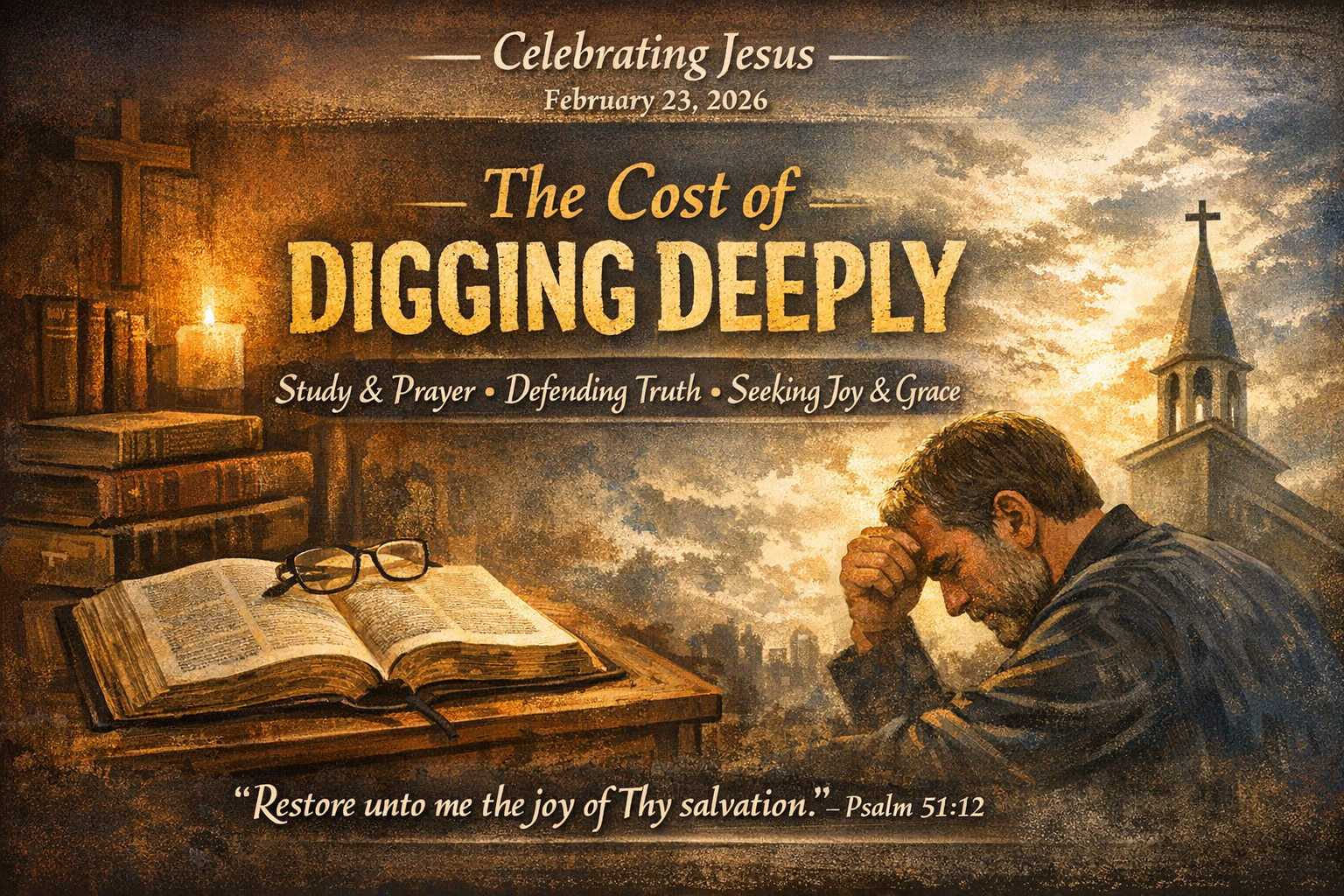
Celebrating Jesus
As a pastor I spend a lot of time reading the Bible, studying, thinking, and praying. I interact with as many viewpoints as I can, on the chance that there is something that I have missed. This means that I spend a good deal of time reading people with whom I have fundamental disagreements, and those disagreements can yield a great deal of passion and emotion. This is not entertainment, this is the truth of the living God. It concerns salvation of souls and living in a way that pleases God. The stakes are high. It is serious and it can make us very serious people. What is the other alternative? The admonitions for Christians in general, and pastors specifically are serious warnings indeed. Not to be taken lightly. Yes, it is no wonder the scripture exhorts us to approach the decision to teach the Bible with gravity.
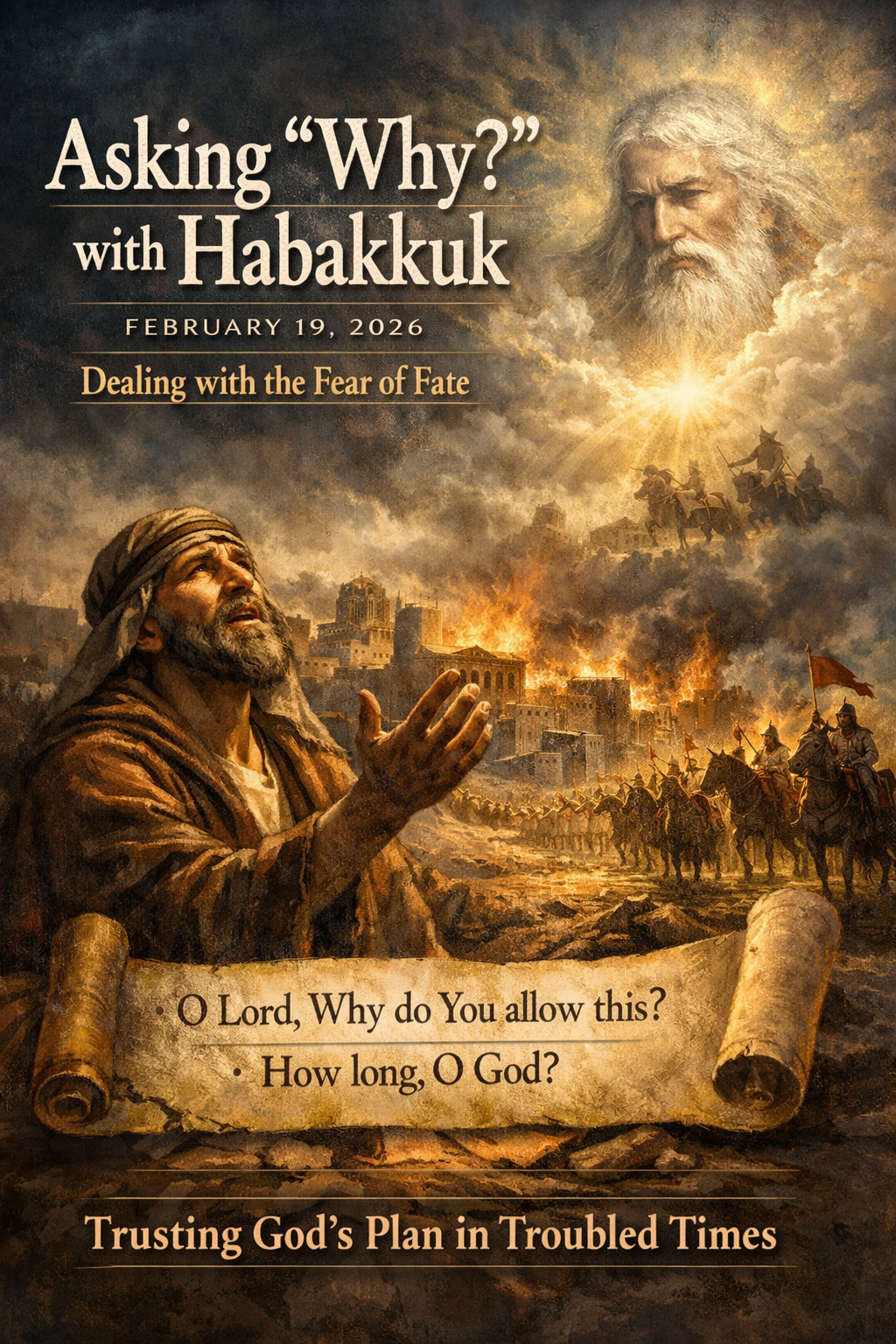
Asking "Why?" with Habakkuk
Thomas Hardey was an English novelist who was also a notorious fatalist. His novels, Tess of the D’Urbervilles, Jude the Obscure, and Return of the Native were some of my favorites in high school, and they had a tremendous effect on me. The characters in Hardy's novels are all doomed to unwanted fates. They all work to overcome that fate, and they all fail. These books were instrumental in disproving fatalism for me. They always leave the main character in the same spot...stuck, hopeless, and asking (in essence) "Why, God?"
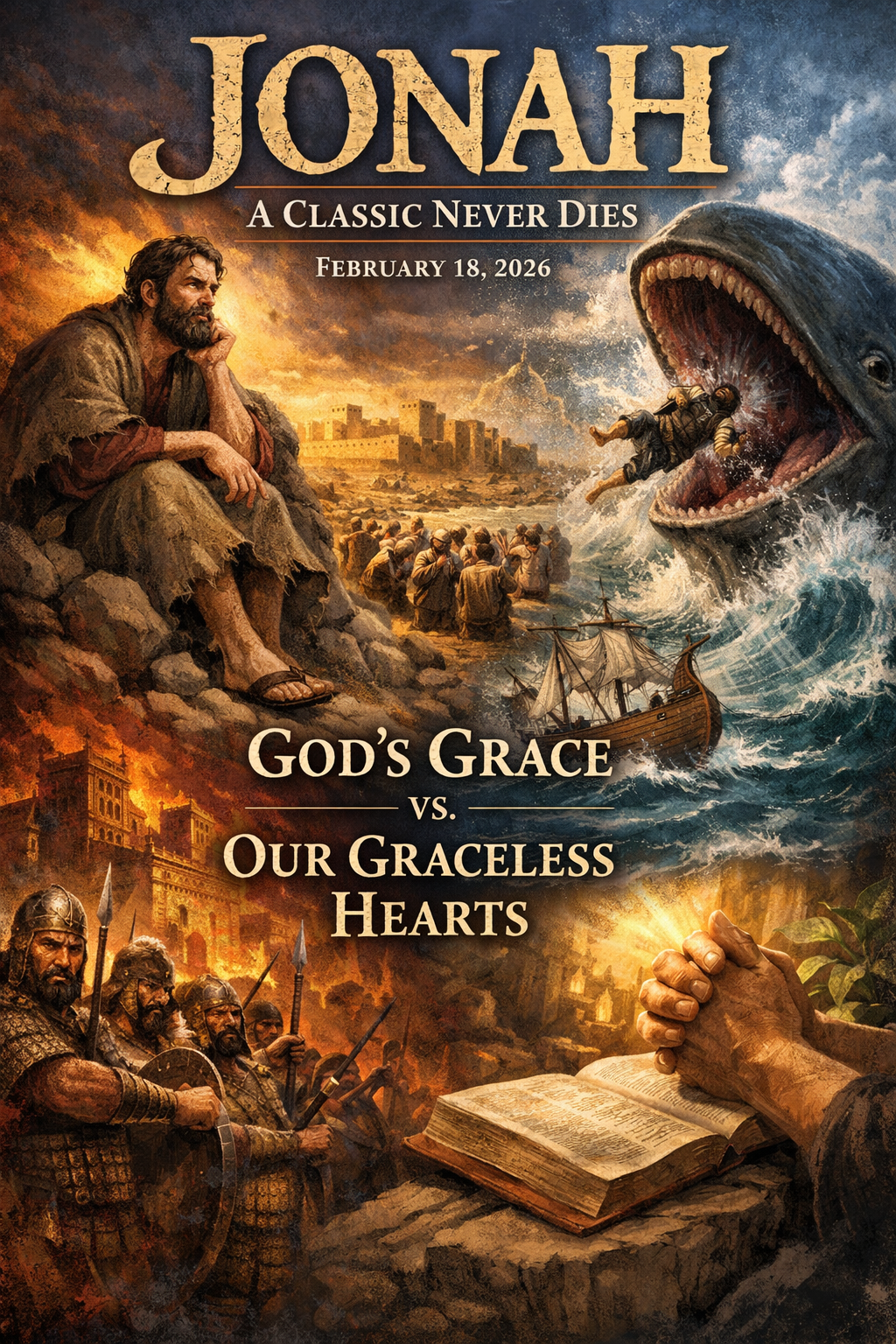
Jonah – A Classic Never Dies
I was sitting in my Introduction to Music History class during my freshman year as a music student at CSU when I first learned what makes a masterpiece. I expected this class to cover esoteric and hidden music from Western history. Much to my surprise, we covered Bach, Mozart, Beethoven, Stravinski, and Philip Glass. I had already heard all those composers. When would we get to the obscure stuff? My professor, dressed in a suit, with his shirt half untucked, and a bow tie holding together the ensemble. Imparted some great wisdom that has stuck with me ever since: “You know, Brad, the classics are the classics for a reason!” I thought getting a music education would mean that I would know all the obscure composers and compositions, and when asked what my favorite composer was, I could half close my eyes and say: “You’ve probably never heard of him. After all, I have a music degree.” Later in that course, my professor would define a masterpiece as a piece of art that offers fresh insights, regardless of how many times you listen to it.